How CER-K Partners with Communities in Restoring Forests and Biodiversity
“When you hold a seed in your hand, you’re holding a promise — a promise of life, renewal, and resilience.”
Co-located within the Brackenhurst Conference and Retreat Centre grounds, thirty-four kilometres from Kenya’s capital city, Nairobi, in the lush heartland of tea estates, Tigoni – Limuru, is the Centre for Ecosystem Restoration – Kenya (CER-K). This non-profit organisation has a mission ‘To restore ecosystems through action-oriented research, improved access to quality resources and best practice restoration’. Landscape restoration is recognised as the solution to the triple threat of biodiversity loss, climate change and food insecurity. Four years since its inauguration, the Centre for Ecosystem Restoration Kenya, through donors and philanthropic support, has infused community, evidence-based, scientific data and best practices to restore degraded habitats in the Coastal, Highland and Savannah ecosystems.
Why CER-K?: Restoration continuum,
CER-K connects every stage of restoration from empowering communities as seed collectors to seed banking, nursery propagation and ecosystem recovery. This end-to-end continuum, anchored at its Brackenhurst headquarters, ensures that every seed collected becomes part of a living cycle of renewal and biodiversity
Community Engagement: The guardians of biodiversity
Communities in Kenya and beyond are rediscovering the power of seeds to restore degraded lands and protect endangered species. From village seed collectors to community seed banks and nurseries, these grassroots efforts demonstrate that the journey to reviving ecosystem functions and biodiversity preservation begins with a single seed.
Indigenous people and local communities are not only the custodians of the ecosystems but also possess invaluable traditional ecological knowledge of the landscape, including plant taxons, ethnobotany, and flowering and seeding patterns. In the last two years, the CER-K has trained 210 community members on quality seed collecting and engaged them as seed collectors, paying them for every kilogram of quality seed delivered.

Native seeds can be a source of income: “Maria Naimodu, born and raised in a traditional Maasai family in Lemek – Maasai Mara, has witnessed livelihood losses due to deforestation and land degradation. Since she was trained as a seed collector in 2022, she has diversified her income by collecting native tree seeds and operating a shop she opened with the proceeds of seed sales.”
Seed Banking: Storing Tomorrow’s Forests
Wild plants do not produce seeds every year; therefore, seed banks act like vaults of biodiversity, protecting seeds for the long term, providing seeds for restoration or in response to disaster and ensuring a sustainable supply (seed catalogue). Thanks to Terraformation for donating a ca. 10 million seed capacity restoration seedbank to support storage of ‘orthodox’ seeds that can withstand drying to low moisture content and freezing temperatures, e.g., Acacia spp. Since 2023, we have distributed 2,100 kg, which is enough to produce 474,000 Seedlings for restoring 152 hectares.
How it works:
- Seeds are received from the collectors, cleaned, dried and tested for quality (purity, germination and thousand seed weight).
- Stored under controlled conditions.
- Accessed for restoration when needed and their viability is constantly monitored
“Seed banks are not just storage rooms — they’re insurance policies for future forests. At the CER-K seed bank at Brackenhurst, there are 4.4 million seeds; 177 accessions of 67 indigenous forest seeds, and it is still counting”.
From Seed to Seedling: Growing the Future
Seeds only reach their potential when nurtured into seedlings before exposing them to harsh field conditions. Seedling nurseries not only make this possible but also offer appropriate facilities for growing out ‘recalcitrant’ seeds that cannot tolerate drying or storage under freezing conditions. Besides, nurseries as ‘research laboratories’ have specialised structures, for example micro/mist propagator for developing propagation techniques to germinate ‘difficult’ species. The CER-K, with funding from BGCI, installed a micro/mist propagator and developed propagation protocols for 10 threatened tree species. To date, more than 40,000 seedlings of threatened species have been raised, supporting forest restoration projects, agroforestry systems, and school greening programmes.

“Nurseries as ‘research labs’: At CER-K highland hub nursery, there are over 540 seedlings of the critically endangered Euphorbia cussonioides, which is more than the 10 individual mature plants in the wild.”
Restoration Outcomes: The Return of Biodiversity

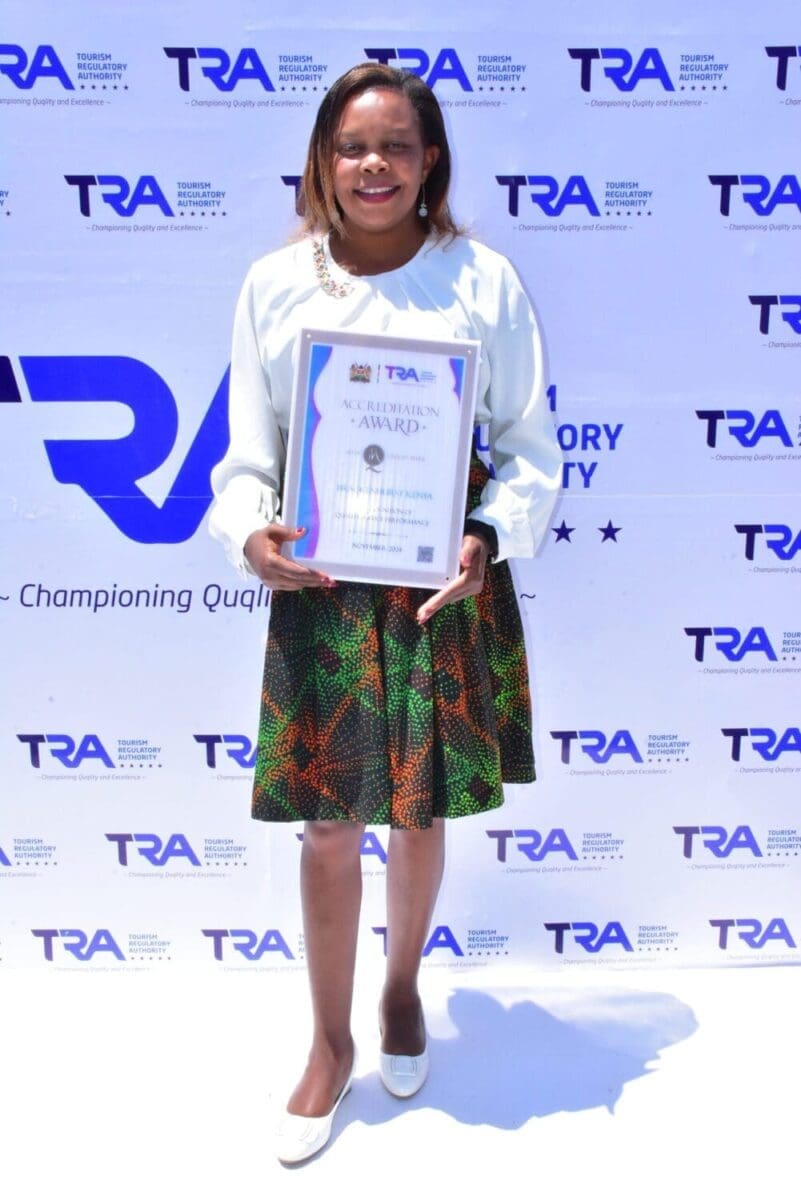
When communities collect, bank, and grow seeds, landscapes begin to heal. At Brackenhurst Forest and Botanic Garden, restoration began in 2000 under the Plants for Life Initiative (PLI), led by Dr Mark Nicholson, with a focus on removing exotic species such as Eucalyptus spp. and Acacia mearnsii and replanting indigenous trees. Building on this foundation, since 2022, the CER-K has initiated community-led seedbanking and restoration initiatives and continues to maintain and strengthen the forest established through Dr Marks’ earlier work, further advancing biodiversity recovery and forest resilience. This includes the return of Colobus monkeys, over 200 bird species, pollinators, improved wetland and the presence of unique species (e.g., the highland sailor butterfly, the Tigoni reed frog (Hyperolius cystocandicans) and the Kenya jewel damselfly). Community livelihoods have also improved through access to medicinal/vegetable plants alongside the accreditation of the botanic garden (BGCI Accreditation). This is attributed to the scientific approach taken by the CER-K in adopting restoration best practices (e.g., TGBS), monitoring and capacity building of the staff to achieve Society for Ecological Restoration Certified Ecological Restoration Practitioners (SER CERP(iT).
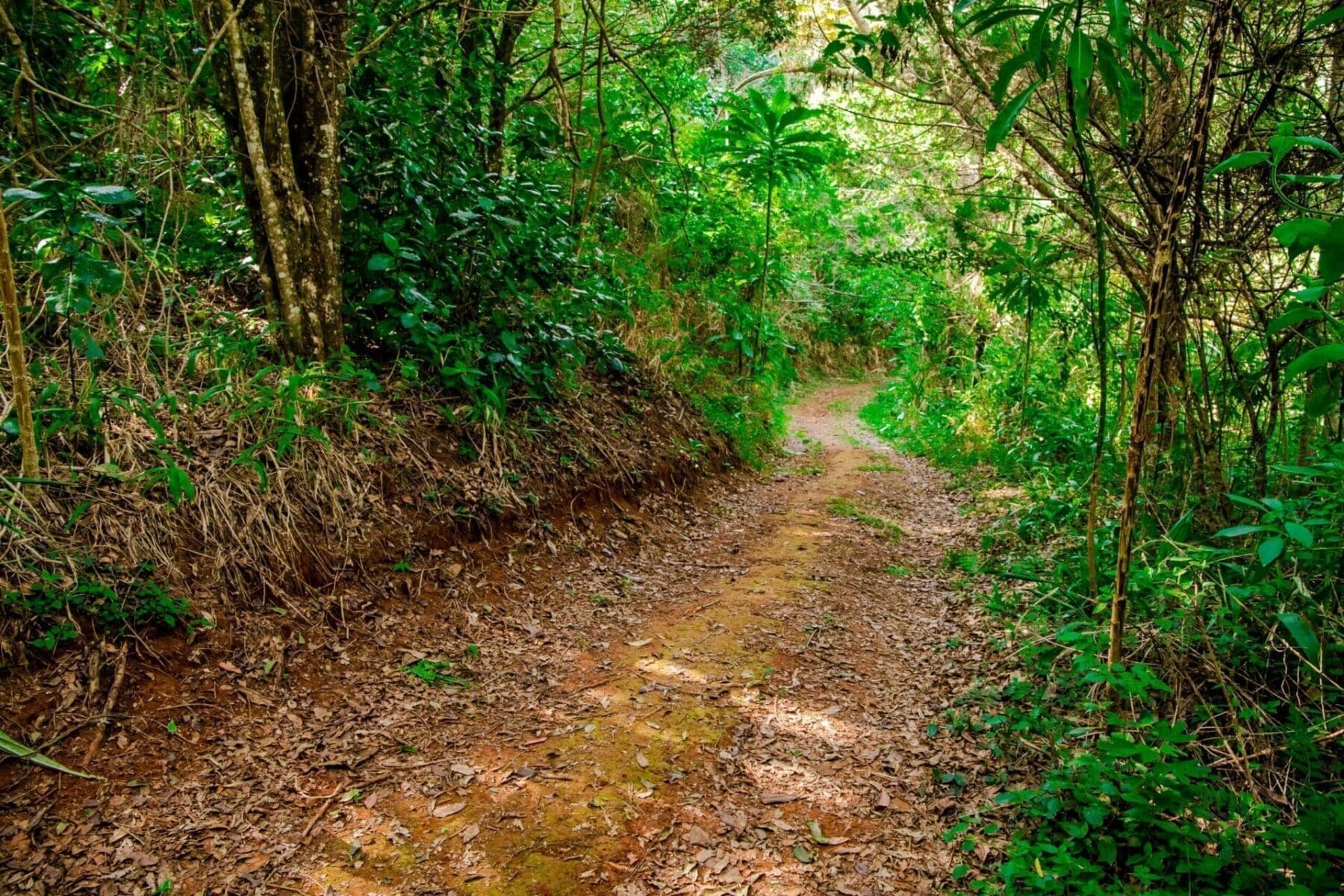
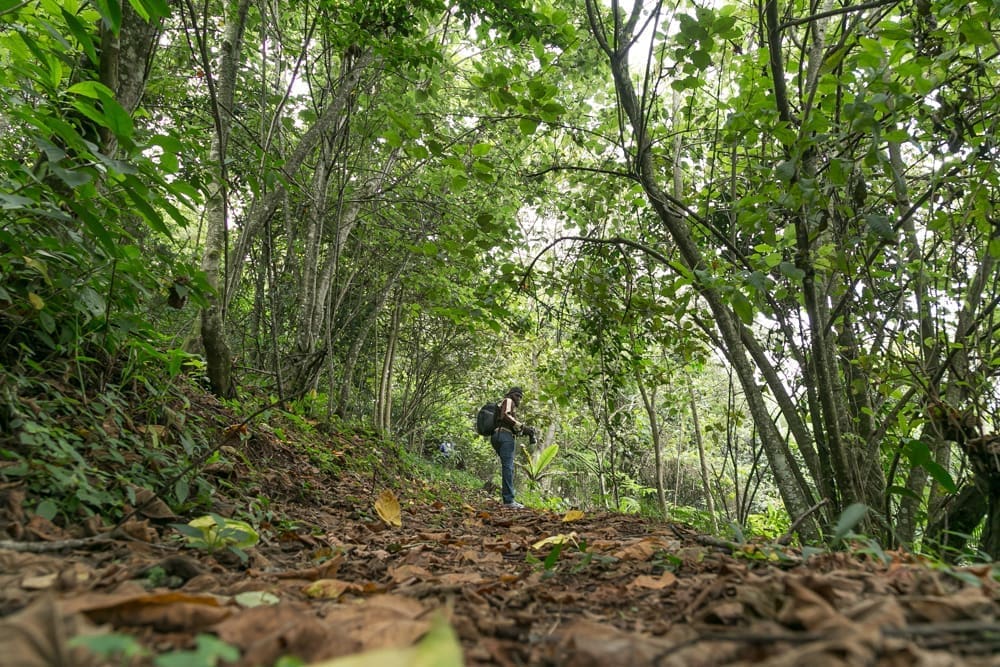
“Every restored patch of land is a living classroom, teaching future generations the value of biodiversity.” Guests at Brackenhurst are treated to serene dining experiences integrating nature and heritage as they enjoy savory meals or sip a cup of their favourite hot drink. They can also opt to indulge with nature at a closer level through nature walks in the indigenous forests with scenic views of waterfalls and the playful colobus monkeys. Guides from CER-K are always enthusiastic to speak about the nitty-gritty of the forest as they walk the guests through the winding forest trails.
A Seed Movement for the Future
Our seed collector networks, seedbanks, and nurseries demonstrate that conservation is not solely the responsibility of scientists or governments; it is a grassroots movement grounded in knowledge and sustained by a shared sense of responsibility.
Every seed collected.
Every seedling raised.
Every tree planted.
…becomes part of a larger story of restoring life and hope.
Call to Action for Readers
- Support local tree nurseries and seed banks by buying native seedlings or donating resources.
- Join community tree planting initiatives and become part of long-term monitoring, not just one-day planting events.
- Share stories of indigenous species with your community to keep traditional knowledge alive.
- Advocate for the restoration of native ecosystems in schools and local institutions.
- Volunteer your time or skills with restoration projects from seed collection to research support.
- Learn to identify native species around you and encourage others to plant them instead of exotic or invasive species.
- Partner with restoration organisations by offering land, networks, or technical expertise.
- Support policies that protect habitats and promote native biodiversity.
Together, these actions transform restoration from a project into a movement, a collective journey toward a healthier, more resilient planet.
Question for You: What indigenous tree species would you love to see return to your landscape? Share in the comments below!